How Architects Can Specify Products That Deliver a High Performance Facade
Achieving a high-performance façade requires a considered, performance-led approach to specification. Architects can significantly improve outcomes by focusing on the following key principles:
Assess Performance Objectives at the Early Design Stage (ECI)
High-performance façades start with clearly defined objectives established during early contractor involvement (ECI). This includes setting targets for weatherproofing, thermal performance, air and water control, acoustics, durability, and compliance with NCC Performance Requirements. Early alignment ensures product selection supports the overall façade strategy rather than reacting to it later in the project.
Engage Façade Specialists and Consultants Early
Early involvement of façade consultants allows project-specific risks to be identified before products are locked in. Consultants can assess exposure conditions, recommend appropriate façade systems, and develop Performance Solutions where required. Their input helps ensure selected products are appropriate for both compliance and constructability.
Specify Products Based on Tested Performance
Products should be specified on the basis of verified, independent test data rather than descriptive claims. Relevant testing may include rain resistance, pressure performance, airflow, acoustics, and durability. Clear performance data enables meaningful comparison between products and reduces uncertainty during certification.
Consider System Performance, Not Just Individual Products
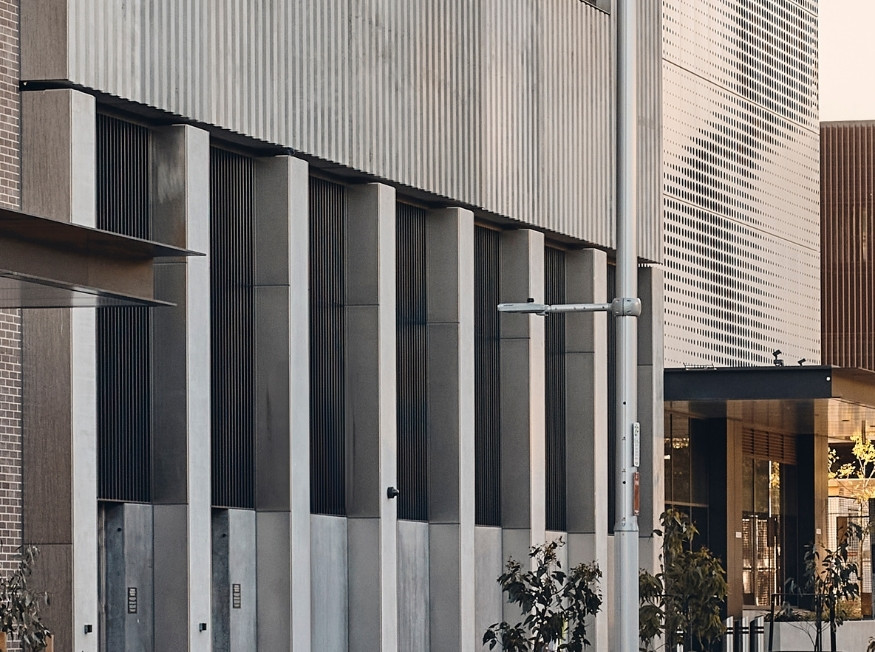
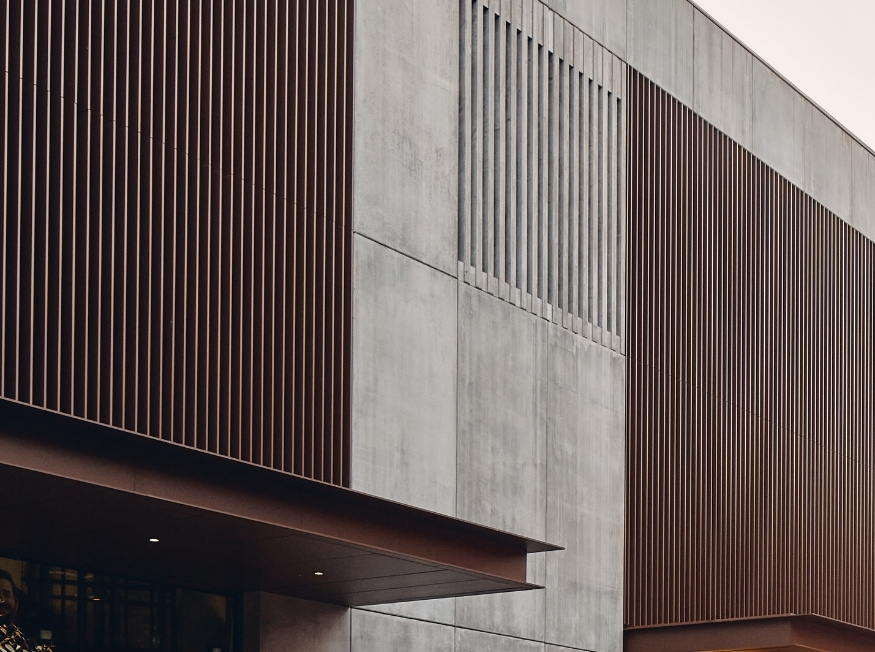
Façade performance is determined by how products work together as a system. Interfaces between elements—such as louvres, glazing, cladding, membranes, and flashings—are often the most critical points for water and air control. Detailing should allow for drainage, movement, and tolerances, rather than relying on sealants alone.
Match the Product to Exposure and Use
Product selection must reflect the specific exposure conditions and function of each façade zone. Factors such as building height, wind-driven rain, orientation, and climate all influence performance requirements. Similarly, the sensitivity of internal spaces—habitable areas versus plant rooms or car parks—should guide acceptable performance thresholds.
Project-Specific Testing and Certification
Where façades rely on Performance Solutions, project-specific testing or assessments may be required to demonstrate compliance. This can include façade testing, wind and rain modelling, or performance-based certification. Early planning for these processes helps avoid delays and redesign during approvals.
Understand Product Limitations and Compromises
No façade product performs all functions equally. Architects should understand inherent product limitations and design around them. For example, some elements may prioritise ventilation over full weather tightness, requiring secondary drainage or weather management strategies elsewhere in the façade design.
Materials and Finishes to Suit the Environment
Material and finish selection should respond to environmental conditions such as coastal exposure, pollution, UV levels, and maintenance access. Selecting appropriate finishes improves long-term durability, appearance retention, and whole-of-life performance.
In summary, high-performance façades are achieved through early planning, specialist input, performance-based specification, and an informed understanding of how products, systems, and environments interact.
Get Help With Your Project
For support using the tools on live projects, Teams calls are available. Contact the team to discuss your project requirements.